
Complete Balguti List — Herbs, Ingredients & Uses
What is balguti used for?
- Teething troubles and sore gums
- Constipation and unclear motions
- Indigestion, gas and stomachache
- Loose motions, mucus (dysentery) and frequent stools
- Cough, phlegm and cold
- Worms and intestinal infestations
- Fever, allergy and itchy rashes
- Strength, appetite and digestion as a daily routine
The complete balguti list (all 20 herbs)
| Herb | Marathi name | Botanical name | Part used | Traditional action |
|---|---|---|---|---|
| Ativish | अतिविष | Aconitum heterophyllum | Root | Bitter tonic; removes toxins; appetite, digestion, fever |
| Ashwagandha | अश्वगंधा | Withania somnifera | Root | Rasayan (rejuvenating tonic); bones and nerves; strength |
| Kuda | कुडा | Holarrhena antidysenterica | Bark | Bitter tonic; loose motions, dysentery — ground in buttermilk |
| Kakadshingi | काकडशिंगी | Galls on Terminalia chebula | Gall | Astringent; phlegm, cold, throat, hiccups, teething |
| Kharik | खारीक | Phoenix pusilla (dry dates) | Fruit rind | Nutritional tonic; iron and vitamins; strength |
| Jaiphal | जायफळ | Myristica fragrans | Seed | Soothing; holds back watery motions; paste on navel |
| Jeshthamadh | ज्येष्ठमध | Glycyrrhiza glabra | Root | Demulcent, sweet; lubricates the throat; loosens stuck phlegm |
| Dikemali | डिकेमाली | Gardenia gummifera | Gum (resin) | Antiseptic; rubbed on the gums during teething |
| Nagarmotha | नागरमोथा | Cyperus rotundus | Root (tubers) | Cooling, calming; fever and burning; allergies |
| Pimpali | पिंपळी | Piper longum | Fruit (long pepper) | Stimulant; clears phlegm; chronic cough (use sparingly) |
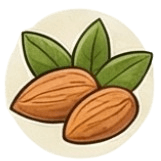
| Badam | बदाम | Prunus amygdalus | Seed (almond) | Brain and skin tonic; vitamins A and E |
| Beheda | बेहडा | Terminalia bellirica | Fruit rind (not the seed) | Astringent; sticky phlegm, dry cough, hoarse throat |
| Maiphal | मायफळ | Galls on Quercus infectoria | Gall | Astringent; vomiting, excess motions, running nose |
| Murudsheng | मुरुडशेंग | Helicteres isora | Fruit | Demulcent; colic and cramping of the bowels |
| Vekhand | वेखंड | Acorus calamus | Rhizome | Stimulant; clears sinus and throat swelling and infection |
| Sagargota | सागरगोटा | Caesalpinia bonduc | Inner kernel of seeds | Bitter tonic; stomachache, appetite, fever |
| Suntha | सुंठ | Zingiber officinale | Rhizome (dry ginger) | Digestive, appetizer; gas, indigestion — the "universal herb" |
| Halkund | हळकुंड | Curcuma longa | Rhizome | Antiseptic, anti-inflammatory; itching, allergy, cures tongue-stickiness |
| Hirda | हिरडा | Terminalia chebula (mature fruit) | Mature fruit | Mild laxative; clears the bowels; appetite |
| Bal Hirda | बाळ हिरडा | Terminalia chebula (immature fruit) | Immature fruit | Gentle laxative; cleanses the stool |
Daily balguti — the daily nine








Balguti list by ailment
| Complaint | Herbs traditionally used | When given |
|---|---|---|
| Teething | Dikemali — rubbed on the gums | During teething |
| Worms and infestations | Vekhand, dikemali, ativish, hirda, bal hirda | Night, in ajwain water |
| Constipation | Hirda, bal hirda, sunth, jeshthamadh | Morning and night, ground together |
| Indigestion, stomachache | Sagargota, suntha, ativish, bal hirda, nagarmotha | Morning and evening, in ajwain water |
| Loose motions, dysentery | Kuda, jaiphal, murudsheng, maiphal, ativish, nagarmotha | Morning, noon and evening |
| Chronic post-meal pain | Kuda — ground in buttermilk | Whenever indigestion flares |
| Fever | Ativish, nagarmotha, kakadshingi, with sunth and pimpali | As advised by the vaidya |
| Allergy, itching, rashes | Nagarmotha and halkund | 3–4 times a day |
| Cold and stuck phlegm | Sunth, pimpali, vekhand, jeshthamadh, kakadshingi | In honey, three times a day |
| Sore throat, hoarseness | Vekhand, halkund, beheda, jeshthamadh, kakadshingi | In honey, morning and evening |
| Night-time dry cough | Beheda and jeshthamadh | In honey |